Boiler Burst? The London Flat Carpet Emergency Timeline Nobody Prepares For
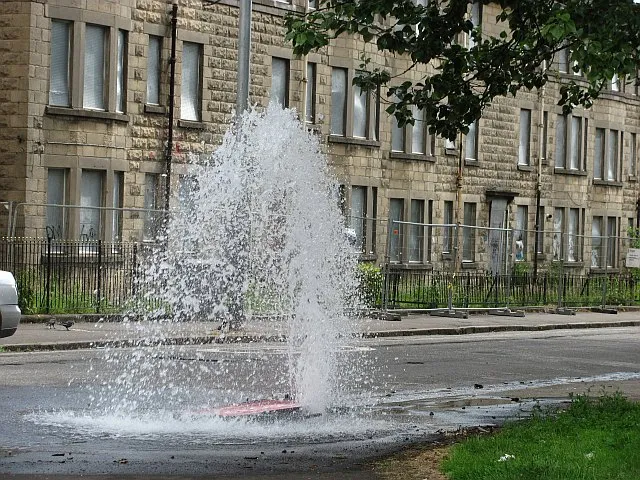
Photo: Richard Webb, CC BY-SA 2.0, via Wikimedia Commons
There is a particular sound a London flat makes when plumbing gives up: a soft hiss, a tick, then the unmistakable splash of water finding the floor. If your boiler, a radiator pipe or a roof leak has just turned your carpet into a sponge, the next 48 hours matter. Not in a dramatic, panic-buy-a-dehumidifier way, but in a steady, practical way. Here is the timeline we would follow if it happened in our own flat.
Hour 0 to 2: Stop the water, not the panic
First, find the source. If water is coming from a boiler or a pipe, turn off the water supply at the stopcock. In most London flats it sits under the kitchen sink, in a bathroom cupboard or in a communal riser cupboard. If you cannot find it, call your managing agent or landlord now. For a roof leak, move what you can and put buckets underneath, but do not climb anywhere unsafe.
Then think about electricity. Water and sockets do not mix. If water is anywhere near plugs, cables or a fuse board, switch off the affected circuits at the consumer unit only if it is safe to reach. If you are unsure, keep clear and call an electrician. Take photos before you move anything. Insurers love a before shot, and so will your memory when you are tired.
Hour 2 to 6: Lift, blot, breathe
Get furniture off the wet carpet. Foil, plastic chopping boards or even upturned washing-up bowls can go under sofa and bed legs to stop dye and rust staining the pile. Lift rugs and mats so air can reach the carpet, and open internal doors to get a cross-flow going.
Now the temptation arrives: scrubbing. Resist it. Scrubbing wet carpet drives water deeper into the backing and can fray the fibres. Instead, blot with clean white towels or old cotton sheets. Stand on them, let them soak, swap them out. A wet-vac is useful if you have one, but keep it on the extraction setting and go gently. Do not use a hot hairdryer or blast the heating. Heat can set stains and encourage mould, and a carpet that dries too fast on top while the underlay stays wet is a carpet that will smell later.
Hour 6 to 12: Document, ventilate, assess
This is the admin window. Photograph the source, the wet patch, the furniture legs, any damaged skirting and anything else that has taken on water. Make a list with times. If water came through from a neighbouring flat or a communal pipe, tell your managing agent in writing today, not next week. London leaseholds can get fuzzy about responsibility, and a paper trail helps.
Ventilation is your friend. Open windows if the weather allows, use fans on a low setting and keep the room warm but not hot. If the carpet is wool or silk, be more cautious: these fibres can shrink, mark or lose texture if treated roughly. Blot, ventilate and wait for a professional assessment rather than experimenting.
Hour 12 to 24: The insurance call and the underlay question
Call your insurer or landlord’s insurer and ask what they need. Keep receipts for anything you buy, from towels to a dehumidifier. Do not rip up carpet unless you have been told to. Lifting a corner to check the underlay is fine, but pulling the whole thing back can affect how it is assessed and refitted.
Underlay is the quiet problem. A carpet can feel dry on the surface while the underlay underneath is still holding water like a sponge. If the underlay is soaked, surface drying will not fix it. In many cases the carpet needs professional extraction and the underlay may need to be removed and replaced. That is not a DIY job with a fan and a hopeful attitude.
Hour 24 to 48: When to call for proper extraction
By day two, you should know whether the carpet is genuinely drying or just pretending. If it still squelches, if the room smells damp, if there is a tide mark spreading, or if the water came from a dirty source such as a toilet or drain, call a professional carpet cleaner. Clean water from a boiler pipe is one thing; contaminated water is another, and it needs proper extraction and sanitising.
Professional extraction is not just a stronger vacuum. It is controlled water removal, the right cleaning agents for the fibre, and a drying plan that considers London’s humid flats and slow-drying winter air. A radiator alone will not pull water out of a backing. In fact, it can bake in odours and leave you with a crispy patch that never quite recovers.
What not to do while you wait
Do not scrub. Do not pour bleach or supermarket stain remover onto a soaked carpet. Do not crank up the heating to dry it quickly. Do not assume a hire machine will solve it; those machines can leave too much water behind if used without care. And do not ignore a damp smell. Musty odour is a sign that moisture is still trapped, not a sign that the carpet is fine now.
The calm version of events
A soaked carpet is stressful, but it is usually recoverable if you act in order: stop the water, make it safe, lift furniture, blot, document, ventilate and get the right help at the right time. The first 48 hours are about limiting damage, not performing a miracle. If the leak is large, the water is dirty or the underlay is soaked, call in extraction. Your carpet has enough to deal with without a radiator and a prayer.
If you are in London and the boiler has just let go, take a breath. Then work through the timeline. The carpet can wait an hour while you find the stopcock.