Three Days Later: Why London Carpet Stains Come Back
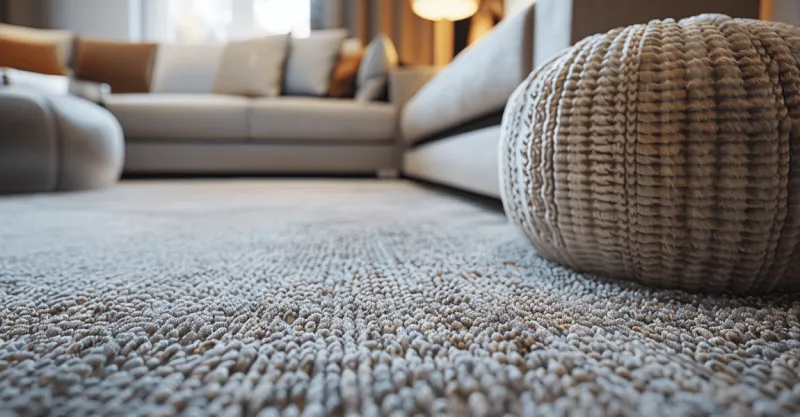
Photo: carpet stain ring close up cleaning London flat, via flooringexplorer.com
You blot the coffee, spray a bit of cleaner, rub with a cloth and the carpet looks decent again. Then, three days later, there it is: a shadowy ring in roughly the same place, sometimes a little bigger and often darker than before. It feels like the carpet is mocking you. In reality, you are seeing one of the most common carpet-cleaning problems in London: wicking.
What wicking actually means
Wicking is capillary action in a carpet. When a liquid spill lands on the surface, it does not stay there. It travels down through the pile, into the backing and often into the underlay. The top of the carpet dries first because it is exposed to air. The deeper layers stay damp for much longer. As that trapped moisture slowly evaporates, it moves upwards through the fibres and carries dissolved soils, sugars, tannins and detergent residue with it. Those materials collect at the tips of the pile, and what looked like a clean patch turns into a visible stain again.
It is not a new spill. It is the old one making a second appearance. The same process can create a tidy ring around the original spot, which is why people often assume the cleaner itself caused the mark.
Why London flats are a perfect stage for ghosting
London homes have a particular set of conditions that make wicking more likely. Many flats are compact, with bathrooms and kitchens close to living areas and limited cross-ventilation. Drying laundry indoors adds moisture to the air. Period conversions can have older underlay or little space between carpet and floor. Hard water in much of London also leaves mineral residue behind, and that residue can attract soil or react with cleaning products.
Then there is foot traffic. A hallway or living room in a busy shared flat gets a lot of use, and a spill near a doorway is more likely to be pressed deeper into the carpet before anyone notices. The result is a stain that has a long way to travel back up.
The over-wetting trap
Most DIY stain attempts fail in one of two directions. The first is the quick surface clean: a light spray and a wipe that lifts the colour from the top fibres but leaves the contamination in the backing. The second is the opposite problem — too much water. A hire machine or a bucket of soapy water can push the spill further down, soak the underlay and leave the carpet damp for days. Both approaches set up wicking.
Over-wetting also leaves detergent behind. Detergent is sticky. It attracts dust and grit, and in a high-traffic London flat that patch can darken faster than the rest of the carpet. If you have ever noticed a clean-looking area turning grubby within a week, residue is a likely culprit.
What a controlled approach looks like
Proper stain removal is less about scrubbing harder and more about managing moisture. A professional visit should start with an assessment: what was spilled, how long ago, what has already been used, and what the carpet is made of. Dry vacuuming comes first to remove loose soil. Spot treatment is then applied in a targeted way, not flooded across the whole room.
For wicking-prone stains, low-moisture methods such as encapsulation or controlled extraction are often more suitable than a heavy soak. The aim is to clean the fibre and the base of the pile without saturating the backing. Dry passes, air movers and, where needed, a dehumidifier help the carpet dry quickly and evenly. Ventilation matters too, even in November. A carpet that dries in a few hours is far less likely to ghost than one that stays damp overnight.
Prevention tips that actually help
- Blot, do not rub. Rubbing disturbs the pile and pushes the spill deeper.
- Lift solids first with a spoon or cloth, then blot with cool water and a clean towel.
- Use as little cleaning product as possible. More foam is not more effective.
- Dry the area actively with a clean towel and airflow, not just a quick dab.
- Keep a doormat at every entrance. Grit and moisture from London pavements travel indoors quickly.
- If a stain returns after two careful attempts, stop. Repeated DIY treatment can make the contamination harder to remove.
When to call a professional
Call in help if a stain reappears after a sensible DIY attempt, if the spill was large, or if it involved wine, coffee, ink, pet accidents or anything oily. Wool and silk carpets deserve professional attention sooner rather than later. The same applies to offices, where a stain near a kitchen or meeting room gets walked over all day and can spread into a traffic lane.
A few London examples
An Islington one-bedroom flat had a red wine spill near the sofa. The tenant used a supermarket spot cleaner and the mark disappeared for four days before returning as a wide pink ring. A low-moisture treatment and controlled drying removed the residue without soaking the underlay.
In a Clapham office, coffee had been spilled beside a kitchenette. The surface looked fine after a quick wipe, but ghosting appeared along the main walking route. The issue was not just the original spill but detergent residue attracting fresh dirt. Zoned cleaning and overnight drying solved it.
A Hackney renter had treated a pet accident with an off-the-shelf cleaner. The smell faded, then the patch darkened and developed a tide mark. The contamination had reached the backing. Sub-surface treatment and proper drying were needed before the carpet could be assessed fairly.
The bottom line
A stain that comes back is not a sign that cleaning failed. It is a sign that moisture and contamination were still moving through the carpet. London's humid flats, hard water and busy floors make that movement especially common. Treat the cause, keep moisture under control and dry the carpet properly — and the comeback stain is much less likely to get a second showing.