The Double-Decker Floor: A London Flat Guide to Cleaning Rugs on Top of Carpet
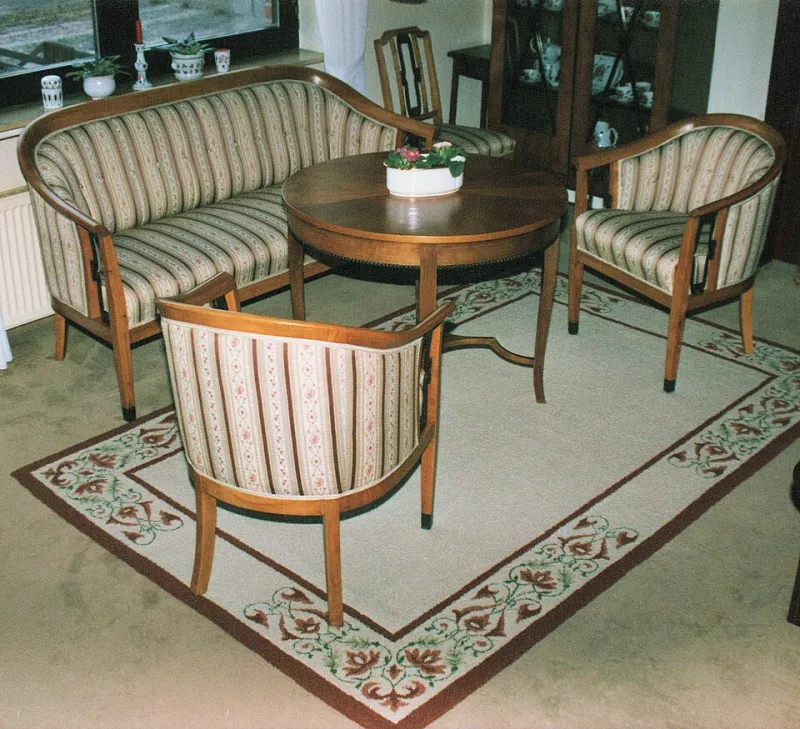
Photo: Kinna2, CC BY-SA 4.0, via Wikimedia Commons
There is a particular London flat look that turns up in almost every rental viewing: a tired wall-to-wall carpet, usually a sensible shade of oatmeal, with a nice rug dropped on top. It is a practical trick. The rug hides the worn patch by the sofa, adds a bit of colour, and makes a small living room feel less like a waiting area. It also creates a two-layer floor that collects dirt in places most people never think to check.
As we head into the wet, gritty stretch of winter 2026, layered floors in London flats need a bit more thought than a quick pass with the vacuum. The rug and the carpet underneath are not enemies, but they do need managing as a pair. Here is a practical routine for keeping both fresh without soaking the flat or damaging the fibres.
Why layered floors get grubby faster
A rug on carpet is basically a dirt trap with good manners. Grit walks in from the street, settles on the rug, then works its way down through the pile and through the rug backing. The carpet underneath never gets the same airflow or vacuum attention, so the grit sits there like sandpaper. Every time someone walks across the rug, that grit is pressed into both layers.
London adds its own ingredients: pavement dust, winter road grit, the occasional bit of fox mess from the front garden, and the fine black particles that come off bus brakes. In a flat with a shared hallway and no outside tap, it is tempting to leave the rug down and hope for the best. That works for a while. Then the rug starts to look flat, the carpet beneath starts to smell faintly of old dust, and the whole arrangement becomes a job rather than a quick refresh.
Start with the lift, not the vacuum
The first step is not to vacuum harder. It is to lift the rug. On a dry day, pull it back carefully and look at what is underneath. You are checking for three things: grit, moisture and colour transfer. If the carpet beneath is damp, stop. Do not vacuum it, do not shampoo it, and do not put the rug back until it is properly dry. Damp carpet under a rug is how you get that musty smell that no candle can fix.
If the carpet is dry, vacuum the exposed area thoroughly, including right up to the skirting boards. Use a crevice tool along the edges where the rug has been sitting. Then vacuum the underside of the rug, ideally outside or over a balcony if you have one, or in the hallway if the neighbours do not mind. If the rug is too big to move, fold it back in sections and vacuum the backing where you can.
The grit sandwich, and how to break it
The real problem with layered floors is the grit sandwich: rug pile on top, carpet pile below, and a filling of dust and grit in the middle. To break it, work in sections. Vacuum the rug on both sides, then vacuum the carpet beneath. Pay attention to the edges of the rug, where crumbs and hair collect in a neat little line. A soft brush attachment is better than a stiff beater bar on delicate rugs, and it is gentler on the carpet underneath if you are working close to the edges.
If the rug has a rubber or latex backing, check it for cracking or stickiness. Old backing can leave a mark on the carpet and can trap moisture. A simple rug pad or anti-slip underlay is usually a better bet than a backing that has started to degrade. It also lifts the rug slightly, which helps air move between the layers.
Moisture: the quiet problem under the rug
In a London flat, moisture is rarely dramatic. It is the slow kind: a mug of tea knocked over, a wet umbrella parked by the door, condensation from a sash window, or a quick spot-clean that never quite dried. Put a rug over that and you have created a small, dark, humid environment that is perfect for mildew.
If you clean a spill on the rug, blot it, then lift the rug and check the carpet underneath. Spills wick downwards. A stain that looks small on the rug can leave a ring on the carpet below. Dry both layers with air movement, not direct heat. Open a window if the weather allows, use a fan, and give it time. Do not put the rug back while the carpet feels even slightly cool or clammy to the touch.
Colour transfer and the tissue test
Dark rug on pale carpet is a classic London flat combination, and it is also a classic colour-transfer setup. Damp wool, cheap dyes and friction can leave a shadow on the carpet beneath. Before you clean either layer, do a simple tissue test: dampen a white tissue, rub it gently on the rug's edge or backing, and see if colour comes off. If it does, keep water to a minimum and do not let the rug sit damp on the carpet.
If you have a prized rug, check the care label before doing anything wet. Some rugs are dry-clean only, and some will bleed if they are over-wet. The carpet underneath may be perfectly happy with a professional clean, but the rug on top might need a different approach.
A room-by-room routine for London flats
In the living room, start by lifting the rug and vacuuming beneath it. Rotate the rug a quarter turn if the shape allows, so the wear pattern moves and the carpet underneath gets a rest. In the bedroom, check under the bed and along the rug edges, where dust gathers. In the hallway, be ruthless: grit from the street is the enemy of both layers, so vacuum the rug and the carpet beneath at least once a week in winter.
For a small flat, do one room at a time. There is no need to lift every rug on the same day. A simple rhythm works better: living room one weekend, bedrooms the next, hallway whenever the weather is dry enough to air the rug.
When to call in the professionals
If the carpet under the rug has developed a smell, a damp patch or a mysterious stain that keeps coming back, a professional clean is usually the sensible next step. The same goes for a rug that has become stiff, dull or patchy. A proper clean should include drying time and a plan for both layers, not just a quick pass over the top.
Layered floors are not a problem. They are just two surfaces doing different jobs. Treat them as a pair, lift the rug now and then, and keep moisture moving. Your carpet underneath will thank you, even if nobody sees it.