Lifts, Loading Bays and Shared Taps: The Real Logistics of Cleaning Carpets High Up in London
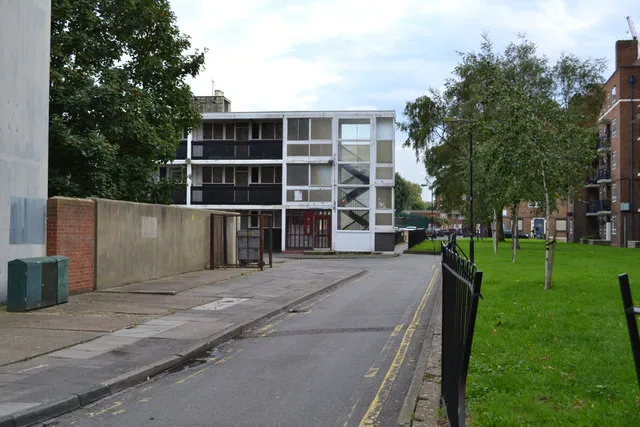
There is a particular kind of London carpet-cleaning job that begins long before anyone plugs in a machine. It starts with a phone call from the twelfth floor of a tower block in Bermondsey, or a mansion flat near Maida Vale where the lift is original, the hallway is narrow and the loading bay is more of a rumour.
High-rise carpet cleaning is not simply the same job with more stairs. It is a logistics exercise. The carpet might be a perfectly ordinary wool mix in a two-bed flat, but the building around it changes everything: how we park, how we run hoses, where the water comes from, how long the carpet takes to dry and how many neighbours need to know we are coming.
Here is how we plan a high-rise clean in 2026, and what residents and office managers should expect.
Before the van moves: the questions that save a wasted trip
The first conversation is not about stain removal. It is about access. We ask for the floor number, lift dimensions, door widths, whether there is a service lift, where the loading bay is and whether it needs booking. We ask about parking restrictions, concierge hours and any building rule that says cleaners must use the back entrance. For offices, we ask about lift booking, floor wardens and whether the clean has to happen after hours.
This is not paperwork for the sake of it. A machine that fits through a flat door may not fit through a lift door. A hose run that works on the second floor may lose pressure on the thirteenth. A loading bay that is free at 8am may be a red route by 9am.
The lift is the first bottleneck
Most London tower blocks were not designed with carpet-cleaning equipment in mind. A standard portable extraction machine is manageable, but it still needs to travel with hoses, water containers, a vacuum, spotting kits and protective sheets. If the passenger lift is small, we may need the service lift or a stair carry. That adds time and, sometimes, cost.
We measure before we promise. Lift dimensions matter more than floor number. A building with a generous service lift and a tight stairwell is easier than a building with a tiny lift and a long corridor. We also protect the lift: floor sheets, corner guards and a quick wipe-down afterwards. Nobody wants the smell of cleaning solution in a shared lift for the rest of the week.
Parking, permits and the loading bay
London parking is its own sport. In 2026, many boroughs still require a suspended bay or a temporary permit for a van that needs to stay close to the entrance. Some buildings have a private loading bay with a strict 30-minute limit. Others have a concierge who can hold a space if we call ahead.
We plan the arrival window around the building, not the other way round. If the only loading bay is free between 10am and 11am, the clean starts then. If the estate has a no-van rule after 4pm, we finish before it. For mansion flats, the front door may open straight onto a busy street, so we use a porter's trolley and keep the van close for as short a time as possible.
Water: shared taps and long hose runs
Water access is the quiet make-or-break of high-rise work. A truck-mounted system is rarely an option above the third floor unless the building has a service bay. Instead, we use portable machines and fill from a resident's kitchen or bathroom tap. That means protecting the sink, checking pressure and, in hard-water areas, allowing for the way London water interacts with shampoo.
Long hose runs are possible, but they have limits. Every extra length costs pressure. We would rather carry water in containers than run a fragile hose through a communal corridor where a neighbour might trip. If the building has a shared tap, we ask permission first. We do not use standpipes or communal supplies without the managing agent's say-so.
Equipment choices for sealed windows and communal heating
High-rise flats often have sealed windows, trickle vents and communal heating. That combination changes drying. There is less fresh air moving through the room, and warm air from the building can help, but it can also raise humidity if the carpet is too wet. The answer is not to soak the carpet and hope.
We favour low-moisture methods where they suit the fibre: encapsulation, dry compound or controlled extraction with a powerful vacuum. We use air movers and, when needed, a dehumidifier. A moisture meter tells us what is actually happening rather than what the room feels like. In offices, we may clean in zones so staff can return to part of the floor while the rest dries.
Talking to neighbours and building management
In a tower block, a carpet clean is a small event in a shared building. We send a simple notice to neighbours if hoses will cross a communal hallway. We book the lift. We respect quiet hours. If someone on the floor is shielding, working from home or has a baby asleep, we adjust the timing.
For offices, the coordination is different but just as important. We need to know about security passes, alarm codes, desk moves and the cleaner who normally does the floor. A good high-rise clean looks boring from the outside: no blocked corridors, no angry emails, no lift covered in foam.
Realistic expectations: time, drying and cost
A high-rise job usually adds 45 to 90 minutes before a single carpet is cleaned. Drying can take longer than in a house with open windows. In a sealed flat with communal heating, expect four to eight hours for a moderate clean, sometimes longer for deep stains or thick underlay. We would rather tell you that upfront than leave you wondering why the carpet still feels cool at dinner time.
The price reflects the logistics as well as the cleaning. That is not a London markup for the sake of it. It is the extra time, the lift booking, the parking permit and the careful water management that keep the job safe and the building happy.
The thirteenth floor is not a problem, it is a plan
High-rise carpet cleaning in London works when the access is treated as part of the clean, not an afterthought. Measure the lift, book the bay, ask about the tap, protect the corridors and dry for the building you are actually in. Do that, and the thirteenth floor is just a floor. Skip it, and a straightforward carpet becomes a very long day.