Down at Floor Level: A Low-Residue Carpet Plan for London Baby Rooms
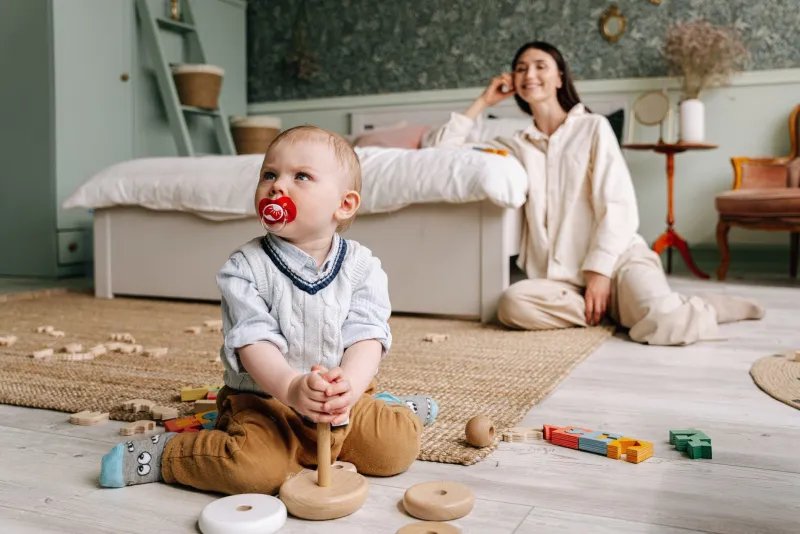
A nursery carpet is not really a carpet. It is a landing pad, a crawling track, a snack zone, a nappy-change overflow area and, on occasion, a place where a small person experiments with the acoustic properties of a wooden spoon. By the time your baby is mobile, that floor has seen more action than most London hallways.
The tricky part is not simply getting it clean. It is getting it clean without leaving a chemical hangover — a sticky residue, a strong perfume or a damp wool smell that hangs around exactly where your baby spends most of the day. In a small London flat, where windows are sometimes sash, sometimes sealed and sometimes painted shut, drying and residue matter more than they would in a draughty country house.
Here is a sensible, low-drama approach for 2026.
What actually lands on a nursery carpet
Forget the generic stain lists. Baby-room carpets collect a fairly predictable set of problems:
- Milk and formula — dribbles, spills and the occasional full-bottle incident. These can sour quickly if left damp.
- Reflux and vomit — acidic, protein-based and best dealt with before they dry into the pile.
- Nappy leaks and nappy-cream smears — zinc-based creams are stubborn and can spread surprisingly far.
- Baby oil and lotion — oily patches that attract dust and darken the fibre.
- Food from weaning — purée, oatcakes, blueberries, the usual.
- Playroom debris — playdough, felt-tip, glitter glue and unidentified sticky things from nursery.
- Pram and shoe grit — London pavements come indoors on wheels and soles.
- Pet accidents — because many households have a cat or dog who also believes the nursery rug is theirs.
Wool and synthetic carpets react differently to all of this. Wool is forgiving and resilient but dislikes strong alkaline products and long soaking. Synthetic fibres — polypropylene, nylon and polyester — are more tolerant but can still hold detergent residue and odour if they are over-wetted.
The residue problem, in plain English
A lot of carpet cleaning goes wrong not because the stain is impossible, but because too much product is used and too little is rinsed away. Detergent left in the pile acts like a magnet for dirt. It can also feel tacky underfoot, stiffen the fibres and release a perfumed smell every time the heating comes on.
For a baby room, low-residue cleaning means a few practical things:
- Use the smallest amount of cleaning solution that will do the job.
- Rinse the fibre properly after cleaning, especially with wool.
- Avoid heavy deodorisers and optical brighteners unless there is a real reason for them.
- Dry quickly and thoroughly. Damp carpet is where smells and mildew begin.
- Keep babies and toddlers off the carpet until it is genuinely dry, not just dry to the touch in the middle of the room.
Matching the method to the fibre
For wool carpets, the safest approach is a neutral-pH cleaner, controlled moisture and a proper rinse. Hot water extraction can be used by a experienced technician, but it should not turn the carpet into a swamp. Spot treatments should be tested in a hidden corner first. Wool can also be cleaned with low-moisture methods in some situations, which is useful in a flat where drying space is tight.
For synthetic carpets, hot water extraction is usually straightforward, but the same rule applies: rinse well. A common mistake is to spray more solution on a sticky patch, scrub it, and leave it. That often just spreads the problem and leaves a clean-looking patch that attracts dirt again within a fortnight.
For everyday spots, blot — do not rub. Work from the outside of the stain inwards. Use a small amount of diluted mild detergent, then rinse with clean water and blot dry. For nappy cream, lift as much as possible first with a dry cloth or spoon edge, then treat. For milk or vomit, remove solids, blot, rinse and dry quickly.
That £20 supermarket hire machine can feel tempting, but it is easy to overwet a small carpet with one. If you do use one, go slowly, use less solution than the bottle suggests and spend twice as long extracting as you did spraying.
Drying a nursery carpet in a London flat
This is where the plan usually falls apart. A small flat, a rainy week and a carpet that needs to be dry before bedtime do not naturally cooperate. The answer is to clean in sections rather than treating the whole room at once.
Work around the sleep schedule
If the carpet needs a deeper clean, start after the morning nap or first thing in the morning and clean the half of the room furthest from the cot first. Leave the cot-side section until later. Keep the baby out of the room while it is damp, and use a fan or dehumidifier to move air through the space.
Use the flat's ventilation properly
Open sash windows wide if the weather is dry. If it is humid outside, a dehumidifier is more useful than open windows. Keep the door open so air can circulate, and avoid sealing the room with the heating cranked up — warm, damp air trapped in a small room is not helpful. A fan pointed across the carpet, not directly at the cot, helps more than people expect.
Leave a buffer before bedtime
Aim to have the carpet dry well before the evening routine. Walk on it in clean socks and check the centre of the pile with the back of your hand. If it feels cool or clammy, it is still damp. A moisture meter is a useful gadget, but your hand and nose are decent guides too.
Keep the crawl zone clear
Once the carpet is dry, put the play mat back down, but give the fibre a quick vacuum first. A HEPA vacuum is a good choice in a nursery because it captures fine dust as well as grit. Vacuum slowly, go over the room twice and don't forget the edges where crumbs and dust collect.
A realistic nursery carpet routine
You do not need a military-grade cleaning schedule. A simple routine works better than an occasional deep panic.
- Vacuum weekly — more often if there is a pet or a particularly energetic snack eater.
- Blot spills immediately — keep a stack of clean microfibre cloths in the nursery cupboard.
- Wash the play mat — the carpet is not the only soft surface in the room.
- Air the room — short bursts of ventilation help with odours and damp.
- Book a deeper clean when the carpet looks dull, smells faintly of milk or feels sticky in patches — not on a fixed calendar date.
At Clean NYC Carpet Cleaning London, we work in plenty of small flats where the nursery is also the spare room, the drying room and the place where the ironing board lives. The trick is not a miracle product. It is controlled moisture, proper rinsing and enough drying time around the nap schedule. Get those three things right and the carpet can be genuinely clean without leaving a chemical hangover behind.