The Quiet Chewers: A Room-by-Room Moth Check for London Wool Carpets
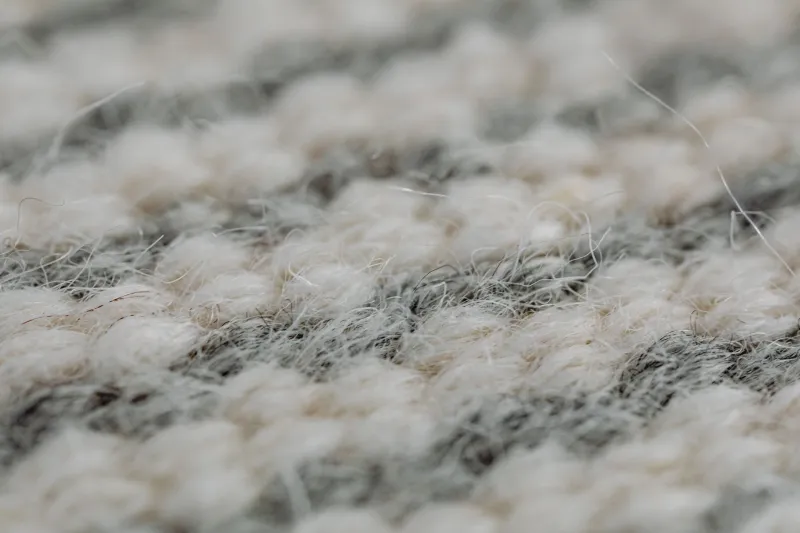
Clothes moths are not dramatic houseguests. They do not swarm the kitchen or leave obvious trails. They settle into the quiet places — under a bed, behind a sofa, along the darker edge of a wool carpet — and get on with the business of chewing. By the time a bare patch appears, the larvae have often been busy for months. In London period homes, where wool pile, old floorboards and undisturbed corners are practically a lifestyle, that is a problem worth taking seriously.
This is not a panic guide. It is an audit guide. A sensible way to walk through your flat or house in 2026, spot the early signs, and decide whether you need a cleaner, a pest specialist, or both. Because those are different jobs, and confusing them is how small moth problems become expensive ones.
Start where the vacuum does not go
The first rule of a moth audit is simple: ignore the middle of the room. Moths are not usually found in the traffic lanes. They prefer the edges — under furniture, beneath rugs, inside wardrobes, along skirting boards and in the gap between carpet and wall. That is where wool fibres, human hair, pet hair and general debris collect, and it is where larvae can feed without being disturbed.
Get down at floor level with a torch. Not a phone torch waved vaguely at the carpet — an actual close look. You are checking for three things: bare or thinned patches, small cream-coloured larvae or cases, and what looks like fine grit or sand. That grit may be frass, which is the polite word for moth droppings. If you see it, keep looking.
The bedroom: under-bed and along the skirting
Bedrooms are prime territory. Under-bed storage, dark corners and wool carpets make an ideal nursery. Pull out the boxes and vacuum underneath, even if it is a hassle. Check the carpet edge where it meets the skirting board, especially behind the headboard and in the corners beside the wardrobe.
Look inside wardrobes too. Moths are not only interested in carpets. They like stored wool, cashmere, silk and anything with animal fibres that has been sitting still. Airing cupboard shelves, spare bedding and that bag of winter jumpers at the back are all fair game. If you find larvae in a wardrobe but not in the carpet, deal with the wardrobe first. Cleaning the carpet will not solve a wardrobe infestation.
Living rooms, period details and the dark side of furniture
London period homes are full of lovely details that moths also appreciate: deep skirting boards, original floorboards with gaps, alcoves, bay windows and heavy furniture that rarely moves. In living rooms, check under the sofa, behind the TV unit and along the edges of any rug. Lift the rug if you can. If it has been down for years, the underside and the carpet beneath it deserve a proper look.
Do not forget stairs and landings. Stair runners in shared houses and flats can be overlooked because they are high-traffic but hard to inspect. Check the edges and the shadowed corners where the runner meets the wall. If you are renting, note anything you find and tell the landlord or letting agent early. It is easier to agree a plan before damage spreads.
What a deep clean can and cannot do
A professional deep clean is useful, but it is not pest control. Hot-water extraction can remove dust, grit, hair and organic debris that larvae feed on, and it can improve the look and feel of the carpet. It may also disturb larvae and eggs near the surface, and the heat and water can kill some of them. But it is not a reliable treatment for an active infestation. Eggs and larvae can sit deep in the pile, under furniture, in the backing, along edges and in places the cleaning head does not reach.
So no, booking a clean is not a substitute for treating the source. If you have found live larvae, cases or repeated bare patches, get a pest specialist involved. A clean before treatment can even make assessment harder by removing some of the evidence. In many cases the sensible order is: inspect, treat if needed, then clean once the treatment has had time to work.
The honest sequence: clean, treat, monitor
If the audit turns up only dust, hair and a vague suspicion, a deep clean and better habits may be enough. If it turns up live activity, the sequence changes. Start with a specialist assessment. Treat the affected areas and any stored textiles. Then, once you have the all-clear or the treatment window has passed, book a professional clean to remove debris and refresh the pile.
After that, monitor. Moths are not defeated in a single afternoon. Check the same edges and corners every few weeks for a season. Keep a note of what you find and where. If the signs return, you have a pattern, and a pattern is much more useful to a specialist than a one-off panic call.
Prevention that suits a London flat
Prevention is mostly about disruption. Moths like stillness, darkness and food. Reduce all three. Vacuum edges and under furniture regularly, not just the open floor. Rotate stored clothes and bedding. Wash or dry-clean wool items before storing them, because body oils and food traces attract larvae. Use breathable storage bags rather than sealed plastic, and keep wardrobes aired.
Airflow matters in London flats, especially older ones with sash windows and chilly corners. Damp does not cause moths, but it makes textiles less pleasant and harder to monitor. Keep furniture slightly away from walls where you can, and do not let rugs sit undisturbed for years. A monthly lift-and-check is less effort than replacing a stair runner.
When to stop cleaning and call a specialist
Call a pest professional if you see live larvae, repeated bare patches, frass along skirting boards, or moths appearing in more than one room. Also call if you have treated the area and the signs return within weeks. A carpet cleaner can make your home feel fresher and remove the grime that supports larvae, but we cannot honestly promise to solve an active infestation with a wand and a hose. The right sequence — audit, treat, clean, monitor — is less glamorous than a one-off deep clean, but it is the one that actually works.
If you are unsure what you are looking at, take photos and get advice before booking. At Clean NYC Carpet Cleaning London, we would rather tell you to call a specialist first than take a booking that cannot fix the real problem. A clean carpet is a lovely thing. A moth-free one is better.